


Smart homes are growing in the Bulgarian forest
Part of the solution to the climate challenge is growing in Bulgaria's forests. Here, the future home is growing - tree by tree. And there is no shortage of forests in Bulgaria. Forests cover nearly 39% of the country's territory, and the timber stock is 750 million cubic metres. This is enough for many smart homes.
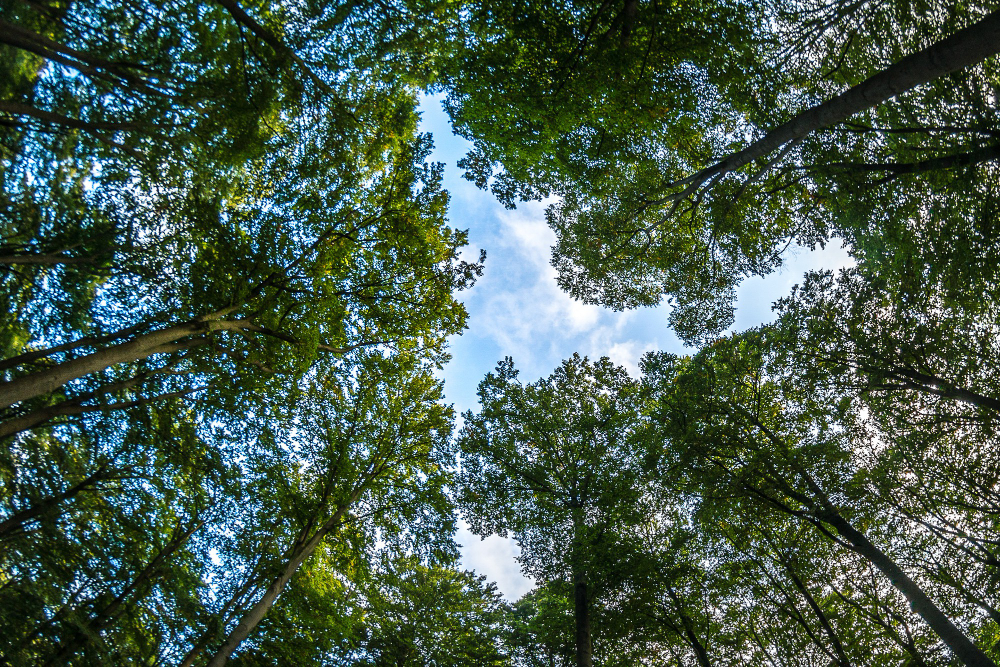
Wood as a renewable resource
Timber is one of the few renewable construction materials. While trees grow in the forest, they store carbon dioxide through photosynthesis. When we build a house out of timber, the carbon remains stored for the entire lifespan of the building. Furthermore, when sawing and planing the timber into planks, the waste material—bark and shavings—is used as biofuel or as a raw material for other products.
We are convinced that timber is an important part of the transition
towards smarter and more climate-friendly construction.
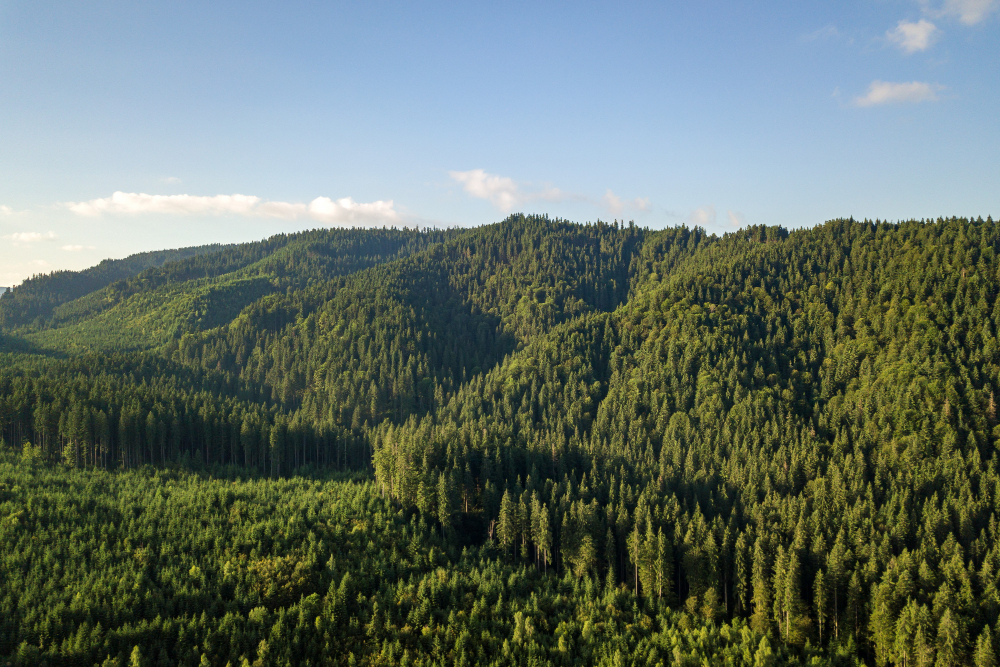
Is the forest running out?
No. Quite the opposite. Forests cover nearly 39% of Bulgaria’s territory, and the timber stock is growing — over the last 5 years it has increased by 4.5%, and over the last 65 years it has tripled. Every year, the forests grow by over 13.6 million cubic metres of new timber. Only around 41% of this growth is harvested — by comparison, the EU average is nearly 70% of annual growth. As the volume harvested is much smaller than the annual growth, the total volume of Bulgaria’s forests continues to increase.
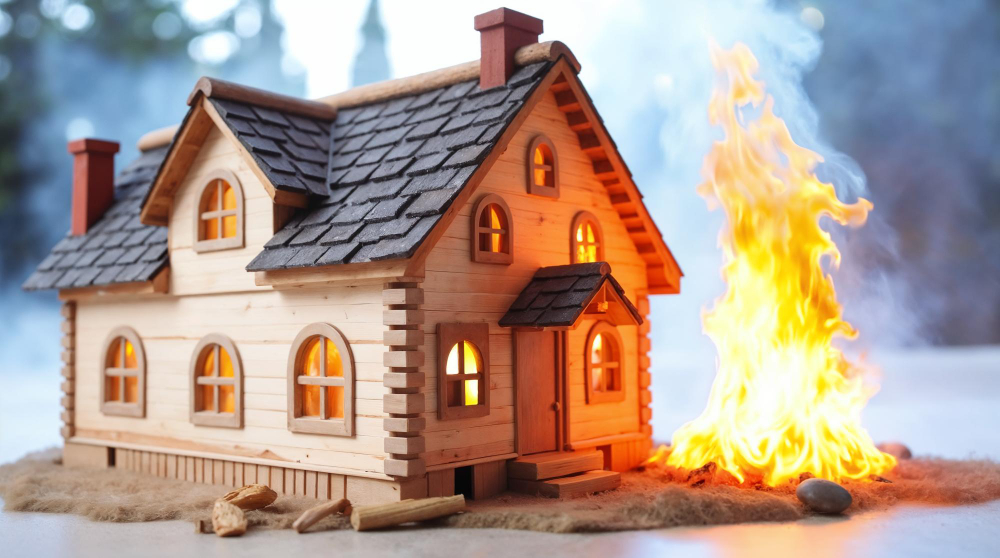
What is the fire resistance of the wooden house?
All construction materials, regardless of their type, meet the same strict fire safety requirements. This means that our timber-framed houses meet the exact same fire safety requirements as buildings made from other materials. The requirements determine how long the load-bearing structure must withstand a fire, as well as how long partition walls and load-bearing elements must perform their function.
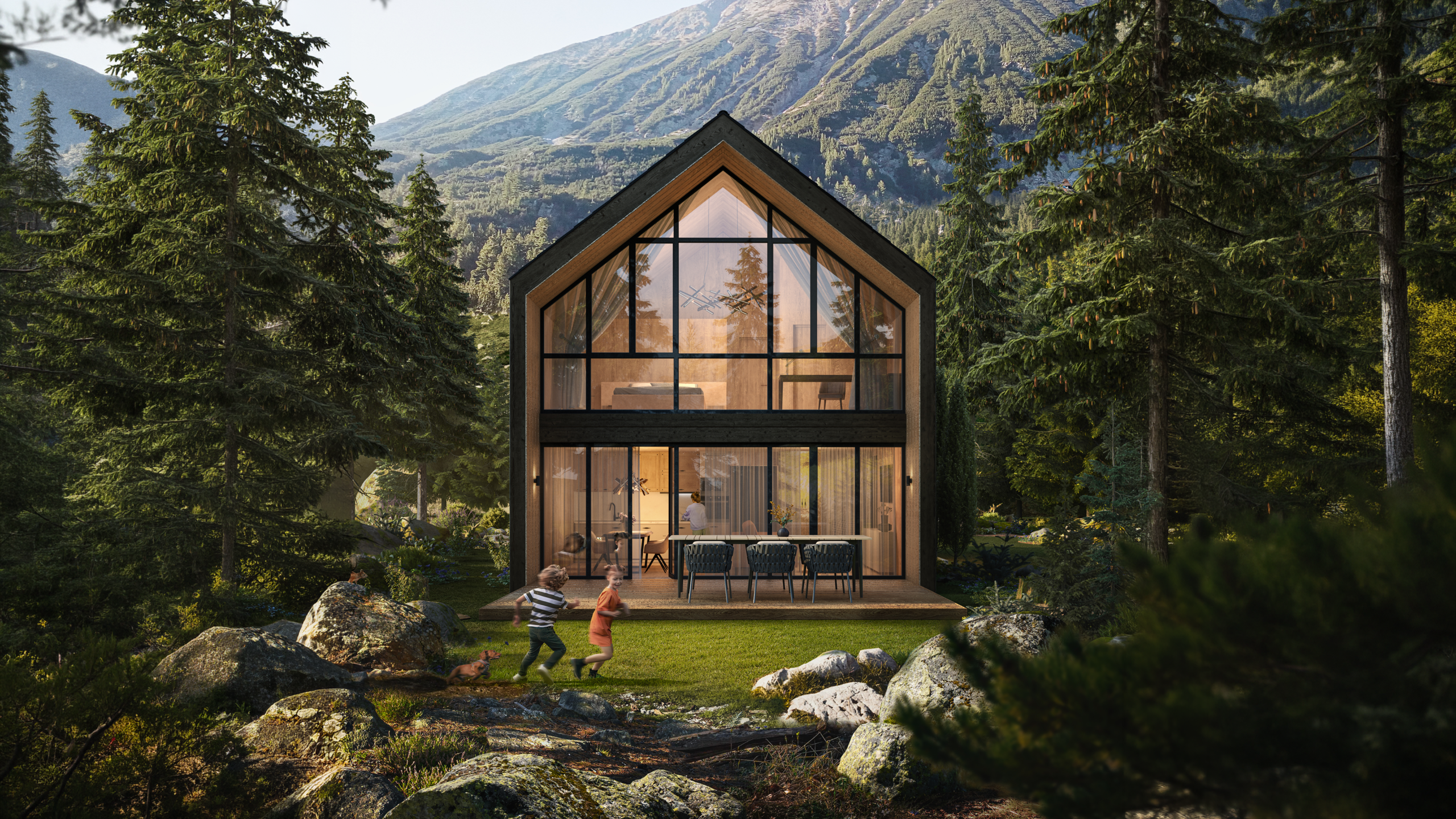
In our houses, wooden elements, insulation and cladding boards are combined in a way that meets all the building's fire safety requirements. The natural properties of wood allow it to retain its load-bearing capacity even when part of it chars. Therefore, when you buy a home from Prefab Bulgaria, you can rest assured — your home meets the exact same fire safety requirements as homes of any other construction type.
How does wood affect the noise level in the home?
Thanks to double partition elements and soundproofing solutions, we keep the transmission of sound between rooms and between floors to a minimum. Each living space is designated as a separate soundproofed unit.

How does moisture affect wood?
A key factor in any construction project is for the building to be built dry. That is why we manufacture your home in a controlled environment – off-site, prior to transport and assembly. This enables us to maintain consistently high quality through tried and tested processes and protects the structure from rain, snow and moisture throughout the entire manufacturing process. The modules are transported to your plot ready-made and are assembled on site in a short space of time, which significantly reduces the risk of dampness compared to traditional outdoor construction.
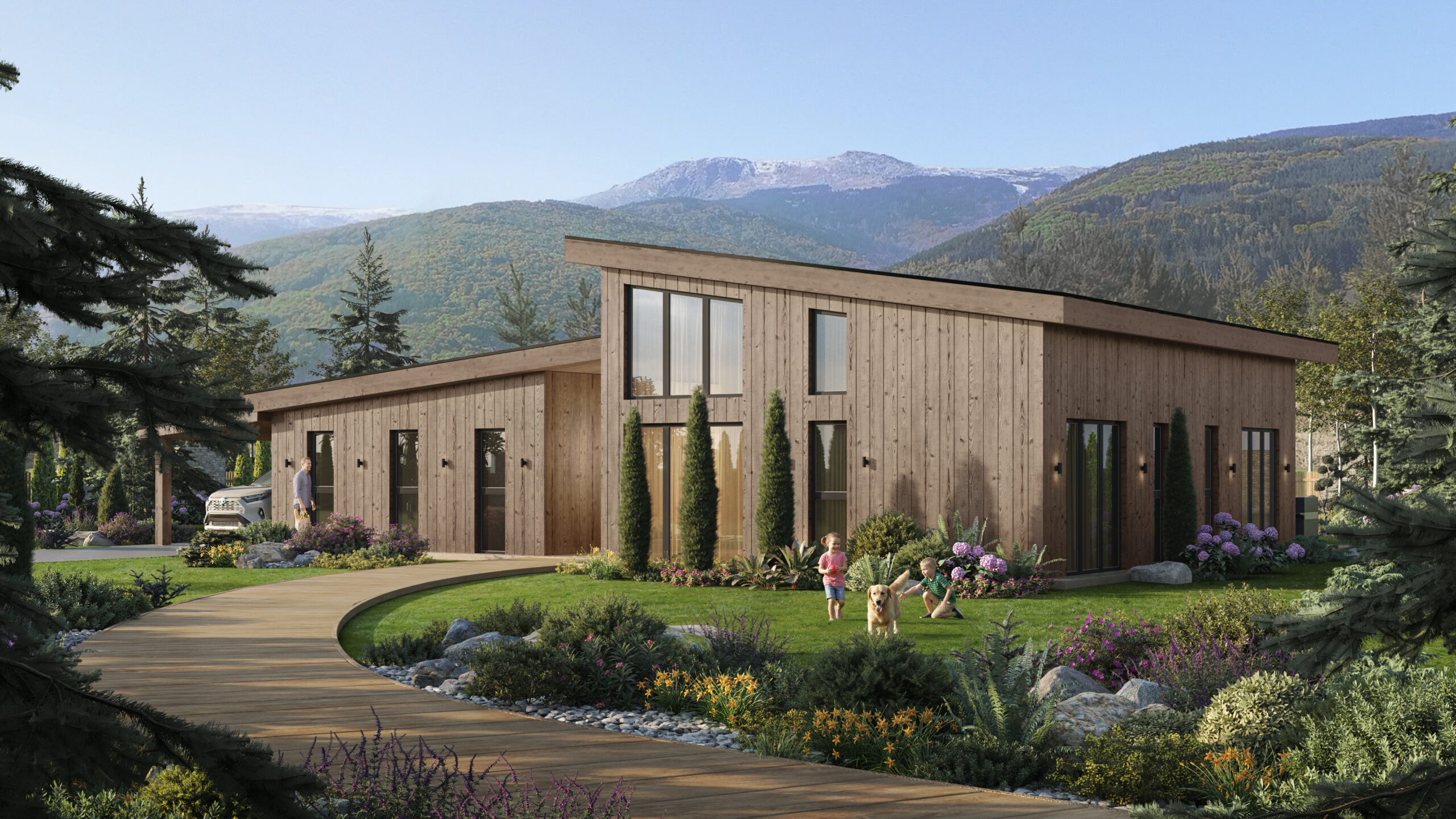
Construction is among the main sources of climate impact
Globally, the building stock — construction and operation of buildings — is responsible for nearly 40% of global energy consumption and a significant share of energy-related greenhouse gas emissions. Research on multi-storey buildings shows that a timber-framed house can have half the climate footprint from the construction process compared to a house built with the most common building materials.
Subscribe and stay up to date.
Join our mailing list and be the first to receive updates, newsletters and webinar invitations.
Yes, all our packages include the construction of electrical and plumbing installations as part of the basic build. This means you receive a home with a fully completed basic infrastructure, without needing to seek additional contractors for these key elements.
The process begins with a pre-project survey of the site and the preparation of a reasoned proposal with approval for design. Subsequently, surveying and geological studies are carried out, the project is prepared, and documentation for a building permit is submitted.
Once permission is granted, the foundation is built, and at the same time, the production of the prefabricated house structure begins in a controlled factory environment. Following final inspection, the finished elements are transported to the site and installed on location.
Depending on the chosen level of completion, the final stage may include interior fitting, finishing works, and preparing the home for occupancy.
Prefab Bulgaria's factory has implemented a high-tech German assembly line for prefabricated wooden houses, WEINMANN. This investment guarantees that we can produce a quality product with high precision, without compromises or exceptions.
In a controlled factory environment, the processes involved in creating a modern home are completed to a standard of up to 90%. This ensures more precise workmanship, consistent quality control, fewer on-site errors and a significantly more predictable construction process.
Are you ready to plan your future home?
Browse our projects or contact our team to discuss the most suitable solution for your land, budget, and lifestyle.